





Let’s break down the recent actions by the US State Department targeting foreign content moderation efforts. Here’s the key insight upfront: this isn’t merely a political skirmish over digital policy; it’s a profound and concerning attack on the very mechanisms designed to foster a safer, more truthful online discourse, carrying significant implications for global digital safety and the future of free expression.
What’s Changing?
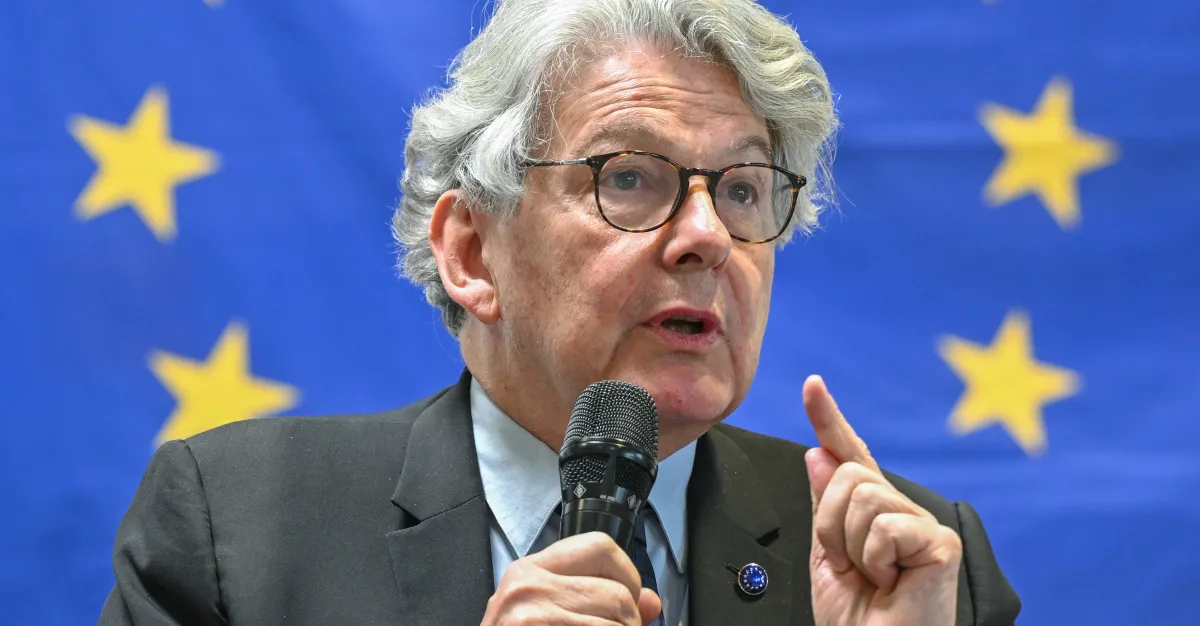
We’ve just witnessed a striking escalation in the battle over online content, spearheaded by the Trump Administration. In a move that feels like something out of a geopolitical thriller, the State Department announced sanctions, effectively barring US access for former EU commissioner Thierry Breton, along with four prominent researchers. These aren’t just obscure figures; they are leaders at the forefront of tackling online harms. Think about Imran Ahmed, who leads the Center for Countering Digital Hate (CCDH). His organization isn’t some shadowy censorship outfit; it’s dedicated to identifying and pushing back against hate speech. It’s the same CCDH that Elon Musk tried—and failed—to silence with a lawsuit, which a federal judge dismissed, noting X’s clear intent to “punish CCDH for CCDH publications that criticized X Corp. — and perhaps in order to dissuade others.” This judicial pronouncement cuts through the noise, doesn’t it? It highlights the legitimacy of these organizations’ work and the questionable motives of those attempting to shut them down.
The sanctions list also includes Anna-Lena von Hodenberg and Josephine Ballon, who lead HateAid, a crucial nonprofit that even attempted to sue X in 2023 for its failure to remove criminal antisemitic content. Then there’s Clare Melford, guiding the Global Disinformation Index, an organization tirelessly working to “fix the systems that enable disinformation.” These aren’t individuals or groups looking to suppress dissenting opinions; they’re fighting to protect the integrity of information and the safety of users. The State Department’s press release, tellingly titled “Announcement of Actions to Combat the Global Censorship-Industrial Complex,” frames their work as part of a problematic “complex,” echoing the rhetoric of Republicans like House Judiciary Committee leader Jim Jordan, who has consistently worked against attempts to apply fact-checking and misinformation research to social networks.
And make no mistake, this isn’t an isolated incident. This move follows earlier signals, such as Reuters reporting that the State Department ordered US consulates to consider rejecting H-1B visa applicants involved in content moderation. Just days before these sanctions, the Office of the US Trade Representative even threatened retaliation against European tech giants like Spotify and SAP, citing supposedly “discriminatory” activity in regulating US tech platforms. What does all this tell us? That these individual sanctions are part of a broader, more systemic campaign to dismantle the infrastructure of digital safety and accountability.
Why This Matters Now
So, why should we, as content strategists, business leaders, or even just engaged citizens, care so deeply about this? Because this isn’t just about banning a handful of individuals; it’s about a deliberate attempt to create a “chilling effect” across the entire content moderation ecosystem. When a sovereign nation, especially one with the global influence of the United States, issues such stark warnings—with Secretary of State Marco Rubio threatening to “expand today’s list if other foreign actors do not reverse course”—it sends a powerful, unsettling message. It’s a message that says, “If you advocate for stricter moderation against hate speech or disinformation, you might become a target.”
Who benefits from this environment? Not the average internet user, certainly. Not businesses trying to protect their brand from association with toxic content. Instead, it empowers those who traffic in hate, conspiracy theories, and blatant falsehoods. It gives a green light to bad actors, telling them that the guardrails are coming down, and the consequences for spreading harmful content are diminishing. Think about it: if organizations like CCDH, HateAid, or the Global Disinformation Index are threatened for doing their vital work, who will step up to fill that void? The legal victories, like Judge Breyer’s dismissal of X’s lawsuit against CCDH, clearly demonstrate that these organizations are operating within legal frameworks and often with strong judicial backing. Yet, political pressure seeks to override these legitimate efforts.
This situation creates a stark contrast: while some argue this is about protecting “free speech” by preventing “censorship,” the practical outcome is a world where verifiable facts struggle against coordinated disinformation campaigns, and vulnerable communities are left exposed to targeted harassment. Are we truly expanding free speech when we silence those who are trying to prevent the weaponization of speech against others? This fundamentally undermines the trust that users place in digital platforms and, by extension, in the brands that operate on them. It fragments international cooperation on crucial issues like online safety and privacy, making it harder for global communities to address shared challenges. The digital world is borderless, yet these actions introduce arbitrary borders to crucial safeguarding efforts.
The Bottom Line
For anyone involved in navigating the digital landscape, this shift demands our immediate and sustained attention. The “Global Censorship-Industrial Complex” narrative is not merely political rhetoric; it’s a strategic framework aimed at dismantling the very infrastructure that has been painstakingly built to promote responsible digital citizenship. For brands, this means operating in an even more volatile and risky online environment. Protecting your reputation and ensuring brand safety will become exponentially harder when the mechanisms designed to filter out harmful content are under direct assault. We must be clear-eyed about the intentions behind such actions and their potential long-term repercussions on the health of our information ecosystem. Organizations will need to double down on their own internal content governance policies, understand the legal and reputational risks of engagement, and actively support initiatives that champion a healthier internet, even if it means navigating increasingly hostile political headwinds. It’s a complex, challenging period, requiring a nuanced and proactive approach to safeguard digital spaces for everyone.
“Don’t just read the article—join the conversation. For daily insights, exclusive content, and a community of innovators, your next click is essential. Your inspiration awaits.”
#ContentModeration #DigitalSafety
#Disinformation #CensorshipIndustrialComplex
#FreeSpeech #OnlineTrust